
When it comes to keeping your home cool and energy-efficient, both heat proofing and traditional insulation offer solutions. However, they differ in terms of functionality, application, and long-term benefits. Let’s explore the key differences to help you make the right choice for your property.
1. Understanding Heat Proofing
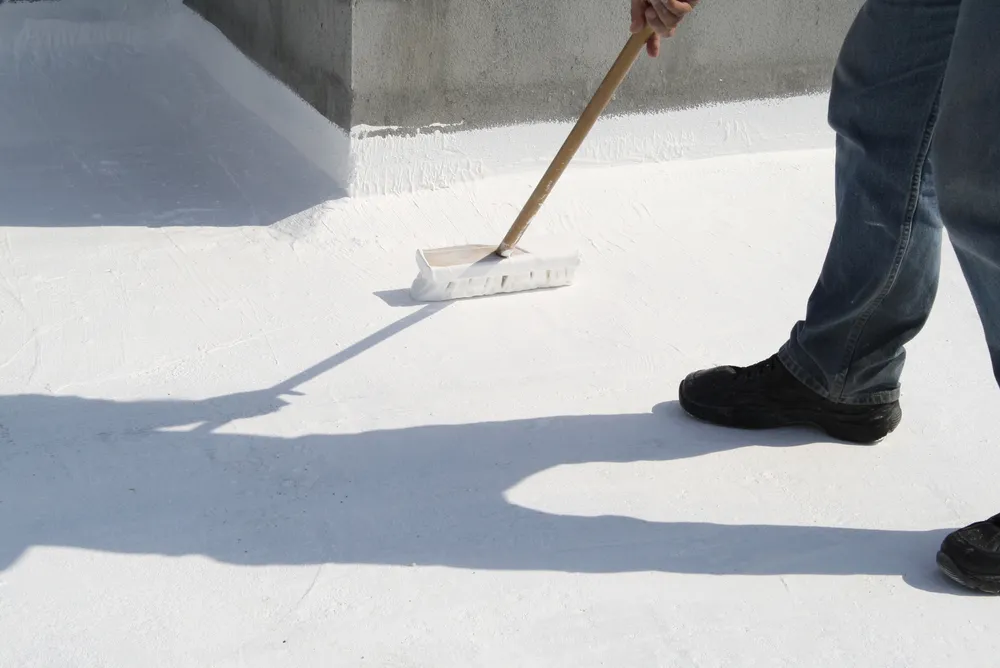
Heat proofing involves applying special materials or coatings to the exterior surfaces of your home to reflect heat and reduce the temperature inside. It is commonly used on roofs, walls, and terraces.
Key Benefits of Heat Proofing:
- Reduces Indoor Temperature: Reflects up to 80% of solar heat.
- Energy Efficiency: Lowers air conditioning costs by reducing the need for cooling.
- Durability: Protects your home’s exterior from UV rays and weather damage.
2. Understanding Traditional Insulation
Traditional insulation, like fiberglass or foam, is installed within walls, ceilings, and floors to trap heat and prevent it from moving into or out of a building.
Key Benefits of Traditional Insulation:
- Thermal Resistance: Maintains indoor temperature by slowing heat transfer.
- Soundproofing: Offers better noise reduction than heat-proofing solutions.
- Energy Savings in All Seasons: Effective for both heating and cooling needs.
Comparison of Heat Proofing vs. Traditional Insulation
| Feature | Heat Proofing | Traditional Insulation |
|---|---|---|
| Application Areas | Exterior surfaces (roofs, walls, terraces) | Interior spaces (walls, ceilings, floors) |
| Primary Function | Reflects heat from entering the building | Slows heat transfer to maintain temperature |
| Energy Efficiency | Reduces cooling costs | Saves energy for both cooling and heating |
| Installation Complexity | Easy to apply coatings | Requires professional installation |
| Durability | Long-lasting, weather-resistant | Depends on material type and installation |
Which One Should You Choose?
- For Homes in Hot Climates: Heat proofing is ideal for properties exposed to intense sunlight and high temperatures. It provides immediate relief from heat and reduces cooling costs significantly.
- For All-Season Energy Efficiency: Traditional insulation offers comprehensive temperature control, making it suitable for regions with hot summers and cold winters.
- Combination for Maximum Effectiveness: Many homeowners benefit from combining both solutions. Using heat proofing on the roof and traditional insulation in walls can offer the best of both worlds—energy savings and comfort year-round.
Conclusion
Choosing between heat proofing and traditional insulation depends on your location, energy-saving goals, and budget. If you need specialized heat-proofing services or a tailored solution, Alpha Shield offers expert guidance and installation to protect your property and lower your energy bills. Contact us today for a consultation!